



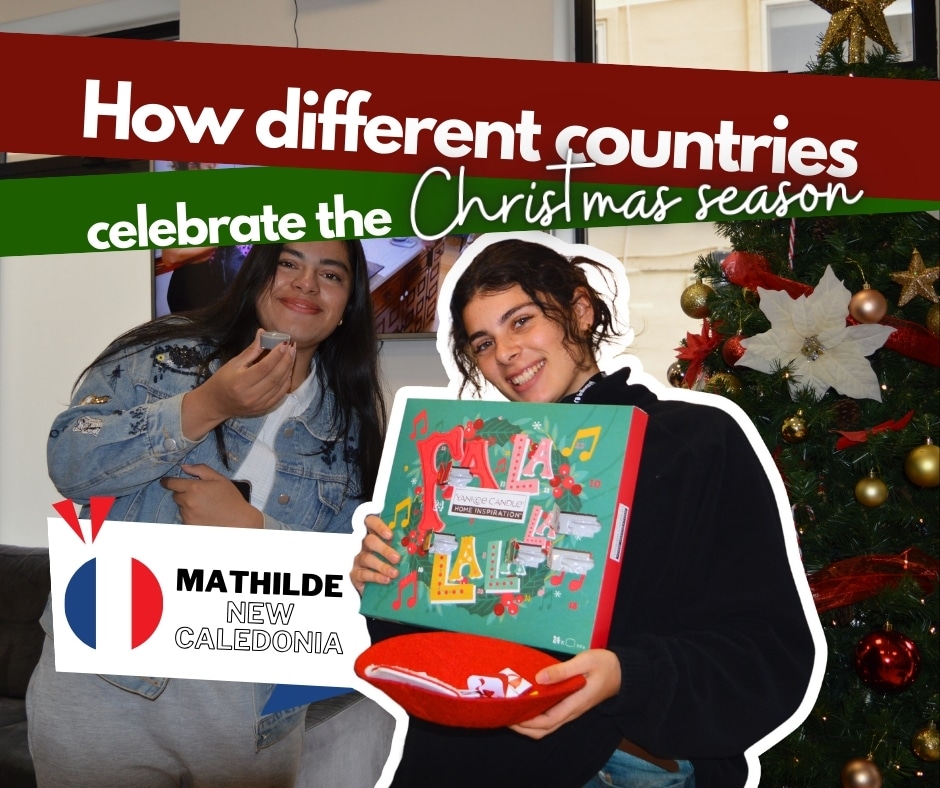
How Different Countries Celebrate the Festive Season
Christmas is one of the most widely celebrated holidays across the world, yet no two countries experience it in exactly the same way. The name comes from “Christ‑Mass,” which refers to the church service that remembers the birth of Jesus Christ, whom Christians believe is the Son of God and the saviour of the world.
Growing up in New Caledonia, my Christmases were spent beside turquoise lagoons, warm breezes and tropical flowers. We blended French traditions with Pacific island culture, enjoying fresh seafood with French pastries and long sunlit celebrations with family and friends. Santa often appears in a swimsuit with sunscreen as his first essential.
Coconut Tree Square becomes the festive centre of the city, complete with a giant Christmas tree, music, live performances and even artificial snow. On Christmas Day, locals dressed as Santa or Mrs Claus perform water sports in full costume across the lagoon.
However, every culture shapes Christmas in its own way. Join me as we travel across the globe to discover how different nations celebrate this magical season.

Europe: Where Many Christmas Traditions Began
Europe is home to some of the oldest and most iconic Christmas customs.
In the United Kingdom, families pull Christmas crackers, hang stockings by the fireplace, enjoy festive films, and gather to watch the Royal Christmas Message. In Ireland, a tall, thick candle is traditionally placed on the sill of the largest window on Christmas Eve. Left to burn all night, it serves as a welcoming light for Mary and Joseph, and communities come together for Midnight Mass and festive gatherings.
In France, Père Noël (Father Christmas or Santa Claus) delivers presents to children. In eastern regions, he is often accompanied by Le Père Fouettard, a man dressed in black who punishes naughty children, similar to Krampus in parts of Germany and Austria or Zwarte Piet in the Netherlands. In Franche-Comté, a historic gift-bringer called Tante Arie, inspired by a countess from the 12th and 13th centuries, is reminiscent of Italy’s tradition of celebrating until 6 January, when La Befana, an old woman who brings gifts, visits children. In Spain, families often eat fish at Christmas, and 28 December is Día de los Santos Inocentes, the Day of the Innocent Saints, similar to April Fools’ Day, when people play light-hearted pranks. Meanwhile, in Portugal, the Consoada feast brings families together for cod dishes, desserts, and, in some villages, bonfires known as Madeiros.
Germany and Austria are famous for their enchanting Christmas markets, Advent calendars, and festive traditions featuring Krampus. Further east, Poland celebrates Christmas Eve with Wigilia, a 12-dish dinner meant to bring good luck for the coming year. The meal is traditionally meat-free, in remembrance of the animals that cared for the baby Jesus in the manger. Czech families traditionally eat fish for Christmas dinner, and fish scales are placed under the plates in the hope of bringing wealth and prosperity in the coming year. In Hungary, Christmas trees are decorated with szaloncukor, colourful chocolate-covered sweets that children often try to sneak from the tree, and gifts are traditionally brought by the Baby Jesus rather than Father Christmas, as in several other European and South American countries.
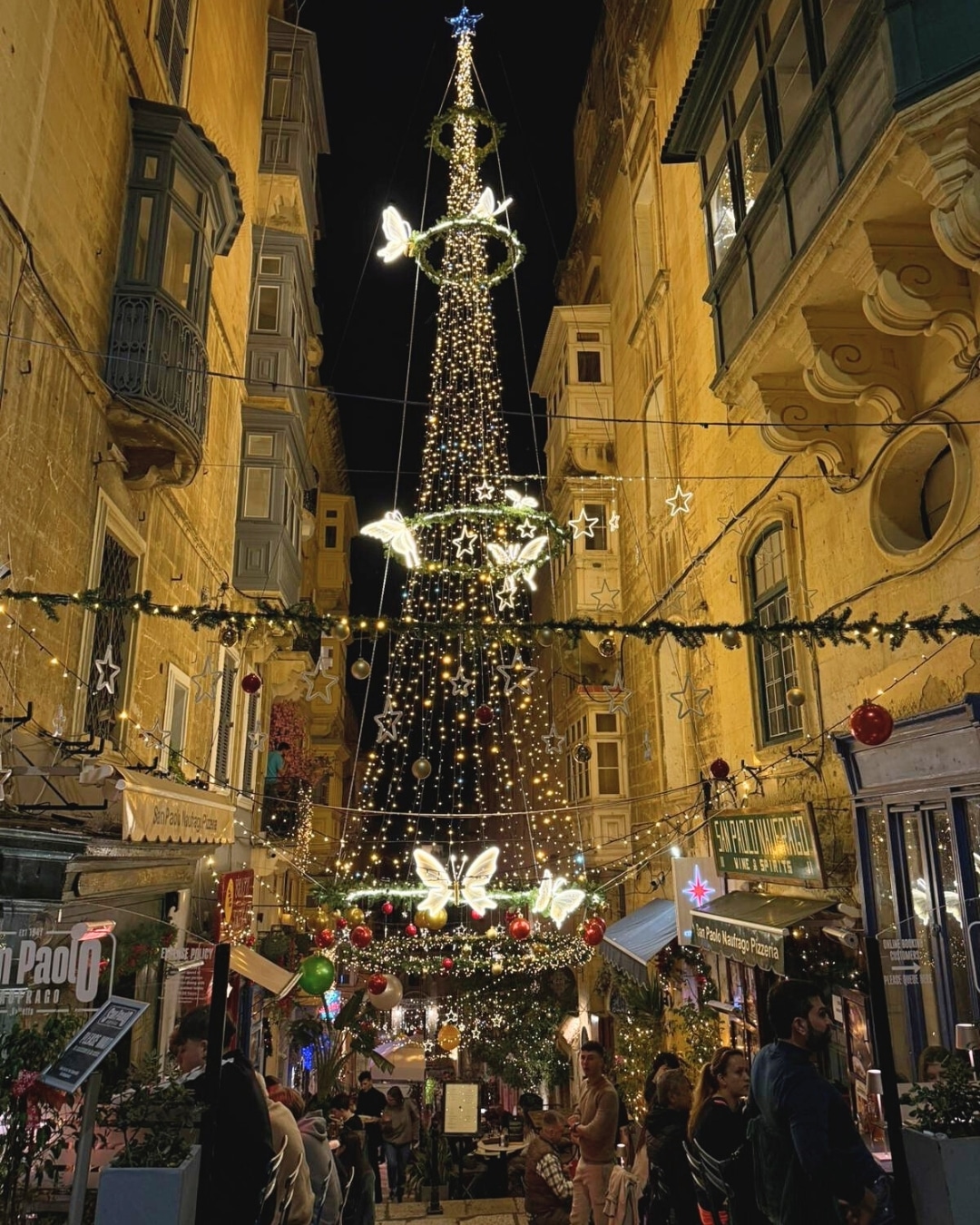
Malta has its own festive customs, such as presepju (nativity cribs) displayed in homes, churches, and squares, and gulbiena, sprouted vetches used to decorate windowsills. On Christmas Eve, many towns hold the Children’s Procession, where children carry a statue of the baby Jesus through the streets while singing carols before Midnight Mass.
North America: Lights, Joy and Extravagance
In the United States, Christmas often feels bigger and brighter than anywhere else. Homes sparkle with elaborate light displays, neighbourhood competitions encourage creativity, and festive films fill the season with nostalgia.
In Canada, French and British influences combine in traditions such as Quebec’s tourtière (a double-crusted meat pie) and Newfoundland’s cheerful mummering, where costumed neighbours visit homes to sing and play games.
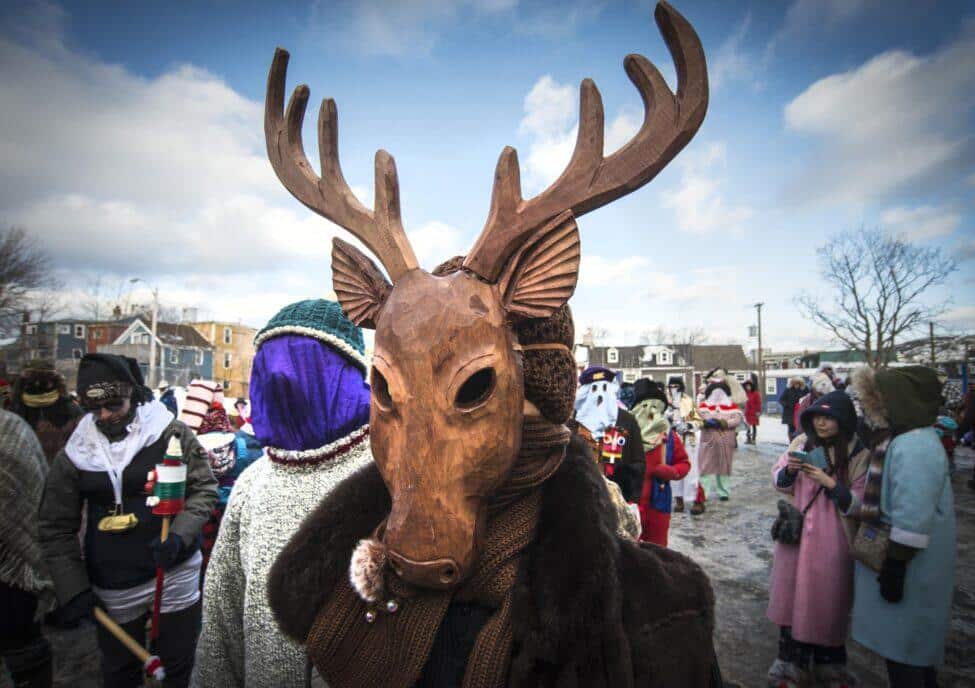
Photo: fodors.com
Central and South America: A Season of Colour and Celebration
Across Latin America, Christmas bursts with colour, warmth, and rhythm.
In Mexico, celebrations begin with Las Posadas, a nine-night festival of processions symbolising Mary and Joseph’s search for shelter. The celebration lasts for nine days, representing the nine-month pregnancy of Mary, the mother of Jesus Christ. The festivities culminate in a Christmas Eve feast known as Nochebuena. Colombia starts the Christmas celebrations with the Day of the Little Candles on 7 December, when streets and homes glow with thousands of tiny flames.
In Brazil and a few other Latin American countries, Christmas takes place during the summer. Celebrations feature fireworks, late-night feasts and outdoor gatherings. In Argentina, families exchange gifts outdoors at midnight and often continue celebrating into the morning. In the capital of Venezuela, Caracas, it is traditional to roller-skate to early morning church services.
Africa: Tradition, Community and Sunshine
Christmas traditions across Africa vary widely.
As South Africa is in the Southern Hemisphere, Christmas takes place during the summer. Families often celebrate with outdoor braais, or barbecues. In Nigeria, colourful masquerade dances, vibrant clothing, and communal meals bring communities together. In Ethiopia, Christmas, known as Ganna, is observed on 7 January with long church services followed by festive meals. The Ethiopian calendar has different months, which is why the celebration falls later than in many other countries.
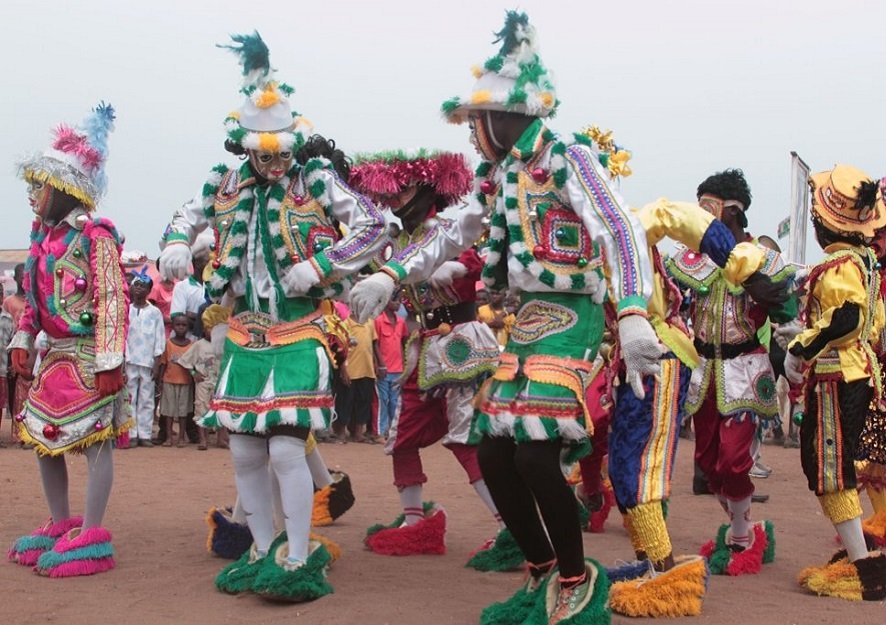
Photo: face2faceafrica.com
Asia: From Spiritual Rituals to Modern Festivities
Asia hosts some of the world’s most distinctive Christmas customs.
In the Philippines, Christmas celebrations can begin as early as September, with communities attending Simbang Gabi (nighttime church services) and streets illuminated by star-shaped lanterns called parols.
Japan celebrates more as a cultural festival than a religious holiday. One iconic tradition is eating KFC on Christmas Eve, a nationwide custom since the 1970s. Christmas is not a national holiday in Japan. However, schools are often closed on 25 December as it falls near the start of the New Year holiday. But most businesses treat the day as a normal working day.
In India, Christian families decorate mango or banana trees and enjoy sweets such as plum cake and kulkuls (deep-fried sweet pastry). In Lebanon, Christians display Nativity cribs at home, often more popular than Christmas trees. Typically based on a cave, they are decorated with sprouted seeds and serve as a focus for household prayers. In China, where only about one per cent of the population is Christian, most people know little about Christmas, so it is mainly celebrated in major cities. A growing tradition on Christmas Eve is giving apples, often wrapped in coloured paper. The evening is called Ping’an Ye (平安夜), meaning ‘peaceful evening’, and the word for apple in Mandarin, píngguǒ (苹果), sounds like the word for peace.
Oceania: A Warm and Sunny Christmas
In Australia, Christmas falls in the middle of summer and is celebrated with beach picnics, seafood feasts, and outdoor carol concerts. New Zealand enjoys similar sunny traditions, with the red-blossomed pōhutukawa tree often referred to as the New Zealand Christmas tree.
Spending Christmas Far From Home
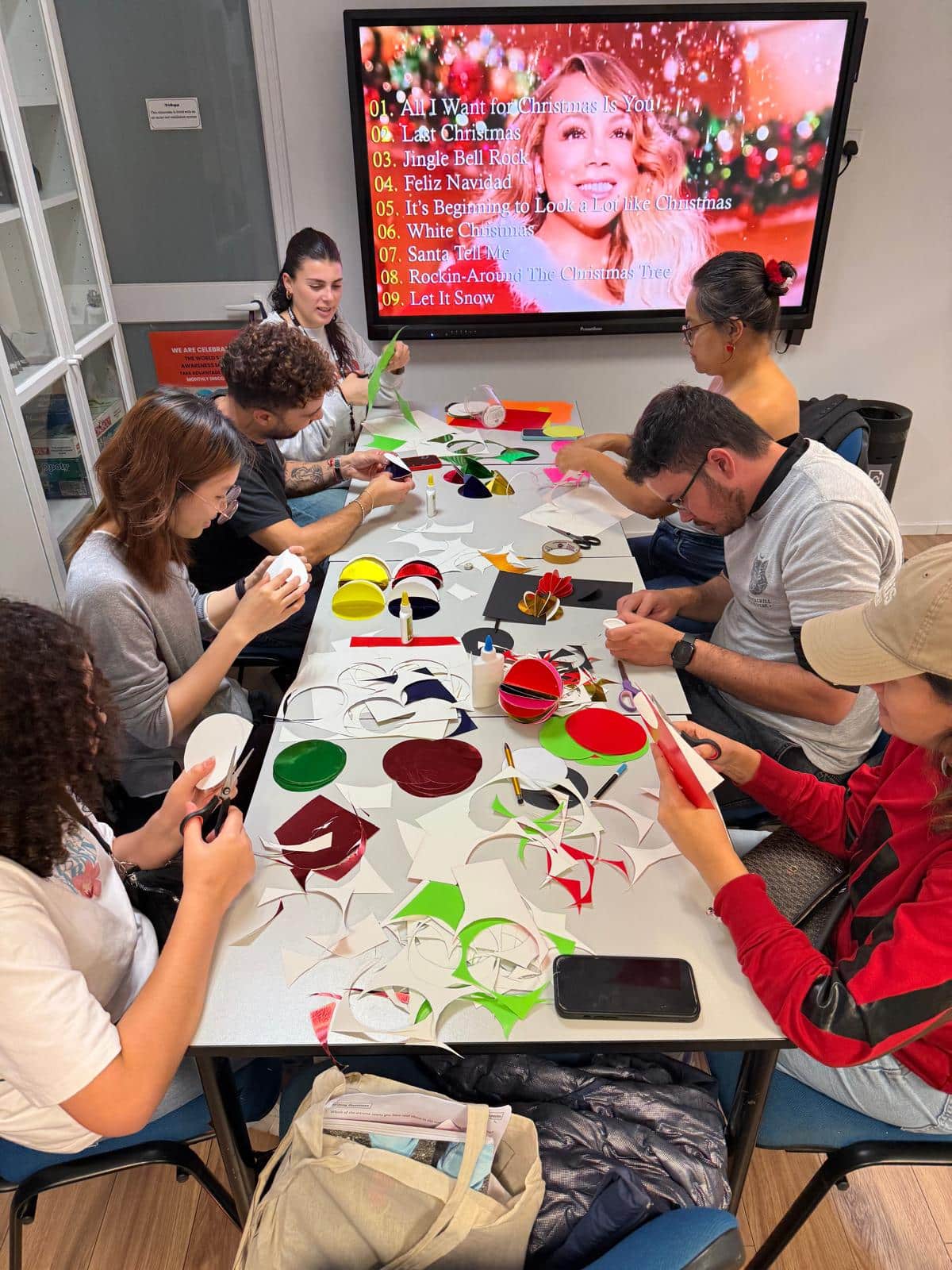
Travelling is a gift, but spending Christmas far from family can be bittersweet. For international students, the season often brings both excitement and homesickness as beloved traditions and familiar sounds feel distant. Yet celebrating abroad creates its own magic. Friends become your chosen family, and you share meals, reinvent traditions and create new memories together. Christmas feels warm and meaningful even thousands of kilometres from home.
This year, I am celebrating Christmas away from my family for the first time. Instead of feeling sad, I feel grateful to celebrate here in Malta with my new international family representing cultures from all around the world. This Christmas will not look like the ones I grew up with. It will be a new celebration filled with diverse traditions, shared experiences and unforgettable moments. It reminds me that the real magic of Christmas is not found in decorations or food but in the people we share it with.
Whether you are under snow, sunshine or palm trees, Christmas reminds us that love, joy and togetherness can travel farther than any distance and that home is wherever your heart feels it most.
For more information about our services, contact the inlingua Malta team at info@inlinguamalta.com